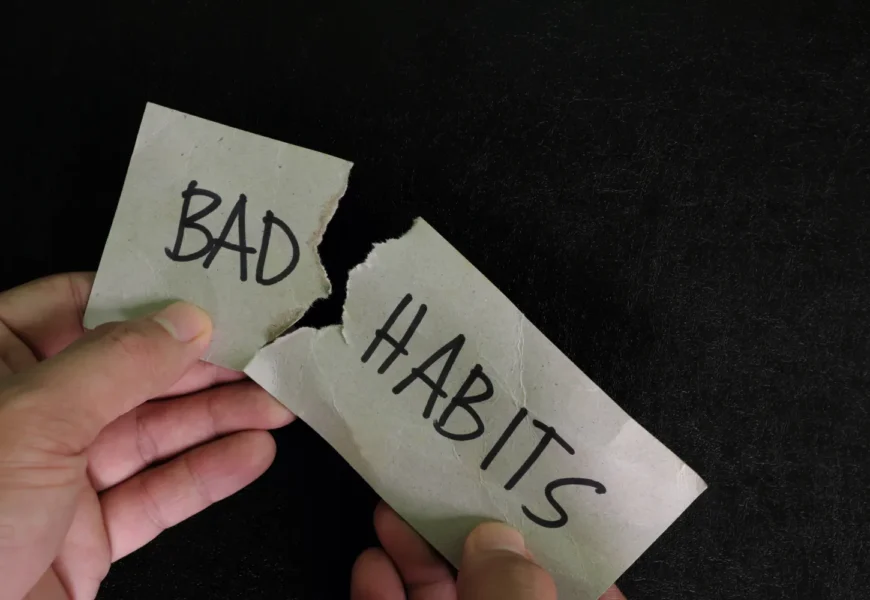
Taking a break from unhealthy habits can be one of the most meaningful changes a person makes for everyday well-being. Habits often become part of a routine so gradually that people may not notice how much they influence energy, concentration, sleep, mood, productivity, and general lifestyle.
The encouraging part is that positive change does not always require an immediate, complete transformation. Even a deliberate break can give a person an opportunity to observe how their body and mind respond when certain routines are reduced or replaced with healthier choices.
This article explores what may happen when you step away from habits that are not supporting your well-being. Individual experiences can vary, and meaningful changes usually develop over time rather than overnight.
1. You May Notice More Stable Energy Throughout the Day
One of the first changes people may notice after taking a break from an unhealthy routine is a difference in everyday energy.
Certain habits can create a cycle in which a person feels temporarily energized but later experiences tiredness or reduced motivation.
When that routine is interrupted, the body has an opportunity to settle into a more consistent pattern.
This does not necessarily mean that someone will suddenly feel energetic from morning until night.
Instead, the change may be gradual and subtle.
A person may begin noticing fewer periods when their energy unexpectedly drops.
They may also find that ordinary tasks feel easier to manage.
Morning routines can become more comfortable when daily habits are better aligned with regular sleep, balanced meals, hydration, and movement.
Stable energy is particularly valuable because it can influence many other areas of daily life.
When people feel more consistent energy, they may be more willing to complete responsibilities.
They may also find it easier to maintain concentration.
Work, study, household responsibilities, and personal activities can all benefit from improved consistency.
Another important factor is routine.
Unhealthy habits sometimes become connected with specific times of day.
For example, a person may automatically follow a particular routine whenever they feel tired, stressed, bored, or overwhelmed.
Taking a break creates space between the feeling and the response.
That space can make it easier to recognize what the body actually needs.
Sometimes the need may simply be rest.
At other times, it may be water, a nutritious meal, fresh air, movement, or a short pause.
This awareness can become an important part of long-term habit improvement.
Energy can also be affected by sleep quality.
When healthier routines encourage a more regular schedule, the resulting improvement in rest may support better daytime alertness.
The process is rarely identical for everyone.
Some people notice changes quickly, while others require more time before recognizing a difference.
The key benefit is that a break provides an opportunity to observe patterns.
Instead of automatically repeating an old routine, a person can compare how they feel before and after changing it.
This comparison can provide useful personal information.
It can also make future decisions easier.
A person may discover that certain habits were contributing more to daily tiredness than they previously realized.
That realization can be motivating.
Rather than viewing healthy choices as temporary restrictions, they can become practical tools for supporting everyday functioning.
Over time, consistent routines may become easier to maintain.
The goal is not perfection.
The goal is to create a lifestyle that supports steadier energy and better daily balance.
2. Your Sleep Routine May Become More Consistent
Sleep is closely connected with everyday habits.
When a person takes a break from routines that interfere with their evening schedule, they may begin noticing improvements in how easily they settle down at night.
A more consistent routine can help create a clearer transition between daytime activities and rest.
Many people maintain habits that keep their minds active late into the evening.
Breaking that pattern can make bedtime feel more structured.
A calmer evening routine may involve reducing unnecessary stimulation and giving the body enough time to prepare for sleep.
Consistency is particularly important.
Going to bed and waking up at reasonably regular times can help establish a predictable daily rhythm.
When a person repeatedly follows a consistent schedule, bedtime may gradually become easier to manage.
They may also begin waking up at more predictable times.
Improved sleep habits can influence the following day as well.
A well-rested person may find it easier to concentrate.
They may have more patience with ordinary responsibilities.
They may also feel more prepared to make thoughtful decisions.
This is important because tiredness can make established habits harder to change.
When people are exhausted, they often have less mental energy available for planning.
Better rest can provide additional capacity for making deliberate choices.
Taking a break from an unhealthy habit may therefore create a positive cycle.
A healthier evening routine can support better sleep.
Better sleep can support daytime energy.
Improved energy can make healthier choices easier.
Those choices can then reinforce the routine.
However, changes in sleep are not always immediate.
The body may need time to adjust to a different schedule.
Some people may notice improvements gradually rather than within a single night.
It is also useful to avoid expecting perfect sleep every evening.
Occasional difficult nights are normal.
The larger goal is to establish a pattern that is more supportive over time.
A consistent sleep routine can also improve the structure of the entire day.
When mornings become more predictable, meals, work, study, exercise, and relaxation may become easier to organize.
This can reduce the sense of being rushed.
It may also make daily responsibilities feel more manageable.
A break from unhealthy habits therefore has the potential to affect much more than the specific habit itself.
It can influence the broader rhythm of everyday life.
The most valuable change may be the development of greater awareness.
A person begins to recognize which evening behaviors help them wind down and which ones keep them unnecessarily engaged.
That knowledge can guide future decisions.
With patience and consistency, healthier sleep-related routines can become natural rather than forced.
3. Your Concentration May Improve
Concentration depends on many factors, including rest, routine, nutrition, stress management, environment, and the ability to avoid unnecessary distractions.
When a person takes a break from an unhealthy habit that regularly interrupts these areas, concentration may gradually become easier.
One reason is that changing a repetitive routine can reduce mental clutter.
Habits often operate automatically.
A person may perform them without consciously deciding whether they are useful at that moment.
Breaking that automatic pattern creates an opportunity to become more intentional.
This can be particularly helpful when working on tasks that require sustained attention.
Instead of repeatedly switching between activities, a person may begin spending longer periods focused on one responsibility.
That does not mean concentration will become perfect.
Everyone experiences distraction.
However, even modest improvements can make daily tasks more efficient.
A person may notice that they finish work with fewer interruptions.
They may also find that reading, studying, writing, planning, or organizing becomes less frustrating.
Another factor is mental energy.
When a significant amount of attention is repeatedly directed toward an unhealthy routine, there may be less attention available for other priorities.
Taking a break can free some of that mental space.
This can make it easier to focus on meaningful activities.
The improvement may also affect decision-making.
When the mind feels less scattered, choices can become more deliberate.
Instead of reacting automatically, a person may pause and consider alternatives.
That pause is one of the most useful benefits of habit awareness.
It gives people greater control over their routines.
Concentration can also improve when sleep becomes more regular.
The connection between rest and attention is important because tiredness can make even simple tasks feel demanding.
A healthier routine may therefore have several effects at once.
Better sleep may support alertness.
More stable energy may support endurance.
Reduced distractions may support sustained attention.
Together, these changes can create a more productive environment.
Another benefit is confidence.
Completing a task without repeatedly returning to an old routine can show a person that change is possible.
That experience may encourage them to continue.
Small successes can be especially valuable.
Finishing one important task, maintaining a healthier morning, or following through on a planned activity can strengthen the belief that routines can be changed.
This does not require extreme discipline.
Practical consistency is usually more sustainable than sudden perfection.
A person can begin with one manageable change and observe the results.
Over time, the improved ability to focus may become one of the clearest reasons to maintain healthier habits.
4. You May Become More Aware of Your Daily Patterns
Taking a break from an unhealthy habit can reveal how frequently that habit was connected to particular situations.
Before making a change, many routines happen automatically.
A person may not realize what triggers them to repeat the same behavior.
Once the routine is interrupted, those triggers can become easier to recognize.
For example, a person may discover that a particular habit usually appears during periods of boredom.
Another person may notice that it happens when they feel tired.
Someone else may associate it with a certain time of day or environment.
Recognizing these patterns is valuable because awareness is an important part of meaningful change.
Without awareness, it can be difficult to understand why a routine continues.
A break creates an opportunity to observe rather than automatically respond.
This observation can be done without judgment.
The purpose is not to criticize past choices.
The purpose is to understand them.
A person might notice a repeated sequence such as feeling stressed, seeking a familiar routine, experiencing temporary comfort, and then returning to the same cycle later.
Once that sequence becomes visible, alternatives can be considered.
Perhaps a short walk would help.
Perhaps talking with someone supportive would be useful.
Perhaps taking a quiet break would be enough.
The appropriate alternative will differ from person to person.
What matters is learning what actually supports the individual.
This process can also improve planning.
If someone knows that a certain situation frequently leads to an unwanted routine, they can prepare for it in advance.
They might change their environment.
They might keep a healthier alternative available.
They might schedule a different activity during that period.
Preparation can make positive choices easier.
Another advantage is that awareness helps distinguish genuine needs from automatic impulses.
A person may initially think they need a particular habit when they actually need rest, nourishment, relaxation, connection, or a change of environment.
Recognizing that difference can be surprisingly powerful.
It transforms habit change from a simple matter of avoiding something into a process of understanding personal needs.
Over time, this awareness can become a lasting skill.
Even if a person eventually encounters the old trigger again, they may recognize it earlier.
That recognition creates an opportunity to make a different choice.
This is why taking a break can be valuable even when it is not immediately permanent.
The break itself provides information.
That information can help shape a more supportive routine in the future.
5. You May Feel More in Control of Your Routine
One of the most encouraging effects of taking a break from an unhealthy habit is the sense of control that can gradually develop.
When a routine becomes automatic, it may feel as though the habit is making the decision rather than the person.
Interrupting that cycle can restore a sense of choice.
At first, this may feel challenging.
Established routines often have strong connections with familiar environments, emotions, schedules, and expectations.
Changing them can require patience.
However, every successful interruption provides useful evidence that routines are flexible.
A person may discover that they can experience a familiar situation without automatically returning to the old pattern.
That realization can be empowering.
It can also improve confidence in other areas.
If someone successfully changes one routine, they may become more willing to improve another.
This does not mean making numerous changes at once.
In fact, focusing on one manageable improvement can often be easier to maintain.
The important point is that habit change can build self-awareness and confidence.
A person begins to see that their daily routine is not fixed.
Choices can be adjusted.
Schedules can be redesigned.
Environments can be changed.
Healthy alternatives can be introduced.
Small improvements can accumulate.
Over time, these adjustments can create a noticeably different daily experience.
Greater control can also reduce the feeling of being stuck.
Instead of thinking that an old routine must continue forever, a person can view it as something that can be evaluated.
They can ask whether it supports their current goals.
They can consider what they gain from continuing it.
They can also consider what they might gain by changing it.
This approach encourages thoughtful decision-making rather than extreme thinking.
It is not necessary to label every imperfect day as a failure.
Progress can include adjustments, learning, and returning to a healthier routine after a difficult period.
That perspective makes change more sustainable.
A temporary setback does not erase previous progress.
Likewise, one successful day does not require immediate perfection.
The most useful goal is continued movement toward healthier routines.
As awareness grows, people may become better at recognizing what works for them.
They can gradually create routines that support energy, rest, concentration, productivity, and general well-being.
Taking a break from an unhealthy habit can therefore be more than simply stopping something.
It can be the beginning of a more intentional relationship with everyday routines.
And that sense of choice can become one of the strongest foundations for lasting positive change.
6. Your Mood May Become More Balanced
Taking a break from an unhealthy habit can sometimes create noticeable changes in the way a person experiences everyday emotions. Habits are not always purely physical or behavioral. Many routines become connected with feelings such as boredom, frustration, tiredness, pressure, or disappointment. When a person repeatedly uses the same habit as a response to those feelings, the routine can become automatic.
Creating a break in that pattern provides an opportunity to understand emotions more clearly. Instead of immediately responding to a difficult feeling with the familiar routine, a person has time to notice what is actually happening internally. This can be an important step toward developing healthier emotional responses.
Mood does not usually transform overnight. Emotional well-being is influenced by many factors, including sleep, stress, relationships, daily responsibilities, physical activity, and general lifestyle. However, changing an unhealthy habit can remove one source of unnecessary disruption and make healthier routines easier to establish.
Some people may notice that their days feel more predictable. They may experience fewer sudden changes in motivation or patience. Others may simply notice that they are better able to handle ordinary frustrations without feeling overwhelmed by them.
One reason this may happen is that healthier routines often create greater stability. Regular sleep, balanced meals, movement, relaxation, and productive activities can provide structure throughout the day. A structured day can make it easier to manage responsibilities and reduce the sense of constant uncertainty.
There is also an important psychological benefit to making a deliberate change. When people realize that they can influence their routines, they may feel more confident about managing other areas of life. That feeling of personal capability can contribute to a more positive outlook.
Taking a break can also reveal emotional triggers. A person may discover that a particular routine was usually connected with stress after work, boredom during free time, or frustration during difficult situations. Recognizing those patterns makes it easier to develop alternative responses.
For example, someone might replace an unhelpful evening routine with a walk, reading, music, stretching, organizing the next day’s tasks, or simply spending quiet time away from distractions. These alternatives may not provide an instant solution to every emotion, but they can create healthier ways of responding.
Another important change can be improved patience. When people feel physically tired or mentally overloaded, small inconveniences can seem much more difficult. A healthier routine may support better rest and energy, which can indirectly make everyday challenges easier to handle.
Mood can also benefit from having meaningful activities in the day. When an unhealthy habit consumes time or attention, other rewarding activities may receive less attention. Taking a break creates room for hobbies, learning, social connection, exercise, creativity, and personal goals.
This can create a positive cycle. More time spent on constructive activities can improve a person’s sense of progress. Feeling progress can improve motivation. Improved motivation can make healthy routines easier to continue.
It is important to remember that taking a break from an unhealthy habit does not guarantee constant happiness. Everyone experiences difficult emotions. Healthy living does not mean eliminating frustration, sadness, worry, or disappointment.
Instead, the goal is to develop a stronger ability to experience normal emotions without automatically returning to an unhelpful routine.
This distinction is valuable because emotional balance is not the same as feeling positive all the time. A balanced emotional state means being better able to recognize feelings, understand them, and respond thoughtfully.
With time, a person may become more comfortable allowing emotions to pass without immediately acting on them. That ability can become a powerful part of personal development.
The process also encourages self-reflection. A person can begin asking what they actually need when a difficult emotion appears. Perhaps they need rest. Perhaps they need a conversation. Perhaps they need to step away from a stressful environment.
Sometimes the answer may simply be time.
By learning to pause before responding, people can create a healthier distance between an emotional trigger and an automatic behavior.
That small pause can make a surprisingly large difference.
Over time, taking a break from an unhealthy habit may therefore contribute to greater emotional awareness, improved daily stability, and a stronger sense of control.
The most valuable result may not be that difficult emotions disappear.
It may be that those emotions no longer automatically determine what happens next.
7. You May Have More Time for Meaningful Activities
Time is one of the most valuable resources in everyday life, and unhealthy habits can sometimes consume more of it than people realize.
A routine that appears to take only a few minutes may actually involve preparation, repetition, recovery, distraction, or additional time spent thinking about it.
When that routine is interrupted, those small periods can become available for other activities.
At first, the extra time may seem insignificant.
A few minutes here and there may not appear important.
However, repeated daily habits can add up considerably over weeks and months.
When a person takes a break, they may suddenly notice how much time was previously connected with the old routine.
That realization can be motivating.
The newly available time can be used in many different ways.
Someone may decide to read more regularly.
Another person may begin walking in the evening.
Someone else may use the time to prepare meals, organize their surroundings, learn a new skill, or spend more meaningful time with family.
The activity itself is less important than the fact that the time is being used intentionally.
This can change the overall structure of a person’s day.
Instead of automatically filling empty moments with the familiar habit, they can choose activities that support their priorities.
This introduces a greater sense of purpose.
Purpose does not require an extraordinary lifestyle.
Simple activities can be meaningful when they contribute to well-being or personal goals.
Reading several pages of a useful book can be meaningful.
Preparing tomorrow’s schedule can be meaningful.
Taking a peaceful walk can be meaningful.
Learning something new can be meaningful.
Even spending a few quiet minutes thinking about personal priorities can be valuable.
Another advantage is that healthier activities can create positive momentum.
Completing one constructive activity can make it easier to complete another.
For example, organizing a workspace may encourage someone to finish an important task.
Completing that task may create more confidence.
That confidence may encourage additional productive behavior.
The opposite can happen with repetitive unhealthy routines.
They can sometimes create a cycle in which one unproductive moment leads to another.
Breaking that cycle can open the door to a more intentional schedule.
Time can also become easier to manage.
When a person has fewer automatic routines interrupting the day, responsibilities may feel more predictable.
Appointments, work, study, household tasks, and personal goals can be planned with greater clarity.
This does not mean every minute needs to be scheduled.
Too much structure can itself become stressful.
The goal is simply to make better use of available time.
A break from an unhealthy habit can also encourage people to rediscover interests they had previously ignored.
Many people postpone hobbies because they believe they do not have enough time.
When an old routine is reduced, they may realize that some of that time was available all along.
That realization can be surprisingly encouraging.
It may inspire someone to return to writing, gardening, exercise, cooking, photography, learning, reading, or another constructive interest.
Meaningful activities can also improve the quality of free time.
Instead of feeling that leisure disappeared into repetitive routines, a person may finish the day feeling that they actually did something they value.
That sense of accomplishment can support motivation.
The key is to avoid replacing one unhealthy routine with another unproductive pattern.
A successful break works best when the newly available time has somewhere useful to go.
Planning a few alternatives in advance can make this easier.
Even having a short list of enjoyable and constructive activities can help during moments when the old routine would normally appear.
Over time, these new activities can become habits themselves.
A person may eventually reach a point where the healthier routine feels natural.
This is one of the most meaningful benefits of changing habits.
The objective is not simply to remove something from the day.
It is to make room for something better.
8. Your Physical Well-Being May Benefit From the Change
The body responds to daily routines, and taking a break from unhealthy habits may give it an opportunity to function under more supportive conditions.
The specific benefits depend heavily on the habit being changed, the person’s overall lifestyle, and individual circumstances.
However, healthier routines commonly support basic areas such as movement, rest, hydration, nutrition, and recovery.
When a person reduces a habit that interferes with these foundations, they may begin noticing gradual improvements in how they feel throughout the day.
Some changes may be subtle.
They may notice that ordinary movement feels easier.
They may feel less sluggish during certain parts of the day.
They may find it easier to maintain a consistent schedule.
These improvements can encourage further positive changes.
One important principle is that the body benefits from consistency.
Regular sleep, nutritious food, sufficient fluids, and appropriate physical activity provide a stable foundation for everyday functioning.
If an unhealthy habit repeatedly disrupts that foundation, stepping away from it can help restore balance.
Movement is especially important.
When people replace inactive routines with reasonable physical activity, they may experience benefits related to energy, mobility, and general fitness.
This does not require an intense exercise program.
Walking, stretching, household activities, recreational movement, and other manageable forms of activity can contribute to a healthier lifestyle.
The best routine is one that can be followed consistently.
A person who begins with a manageable amount of movement may be more likely to continue than someone who immediately attempts an unrealistic schedule.
The same principle applies to food.
Taking a break from an unhealthy routine can create an opportunity to pay more attention to meals and overall nutrition.
Rather than relying automatically on convenient choices, a person may begin planning balanced meals and paying attention to hunger and fullness.
This does not require strict rules.
Healthy eating is generally about overall patterns rather than perfection.
One meal does not determine a person’s entire lifestyle.
What matters is the broader routine.
Hydration can also become easier to manage when daily habits are more organized.
People who become more attentive to their routines may naturally become more aware of whether they are drinking enough fluids throughout the day.
Small improvements can accumulate.
The body can also benefit from better rest.
When unhealthy habits interfere with regular sleep, changing those habits may support a more predictable sleep schedule.
Better rest can then make movement and healthier eating easier.
This creates another positive cycle.
Physical well-being can influence mental well-being as well.
When people feel physically better supported, they may have more motivation to participate in constructive activities.
They may also feel more confident about continuing their changes.
Another benefit is greater awareness of physical signals.
A person may become more attentive to tiredness, hunger, thirst, tension, or the need for rest.
This awareness can help prevent automatic decisions.
Instead of following a routine simply because it is familiar, the person can respond to what their body actually needs.
It is important not to expect dramatic results from a short break.
Healthy changes usually develop over time.
Individual responses vary, and some people may notice improvements sooner than others.
The goal should therefore be sustainable well-being rather than quick results.
A break can be a useful starting point because it allows people to observe how their body responds to different routines.
They can learn which behaviors support energy and comfort and which ones appear to interfere with their everyday functioning.
This knowledge can guide future decisions.
The most valuable outcome may be a stronger understanding of the connection between daily choices and physical well-being.
Once that connection becomes clearer, healthier choices may feel less like restrictions and more like practical forms of self-care.
9. Your Confidence Can Gradually Increase
Changing an established habit can be challenging, and successfully doing so can create a valuable sense of personal confidence.
Confidence does not always come from achieving something dramatic.
Sometimes it develops from repeatedly proving to yourself that you can follow through on a decision.
Taking a break from an unhealthy habit creates exactly that opportunity.
The first few days may require awareness and patience.
A person may notice old triggers and feel tempted to return to familiar routines.
Successfully handling those moments can strengthen confidence.
Each time someone makes a deliberate choice instead of automatically following the old pattern, they gain another experience of personal control.
That experience matters.
It shows that habits can be changed.
It also demonstrates that discomfort or inconvenience does not necessarily have to determine behavior.
Over time, this can change the way a person thinks about personal improvement.
Instead of saying, “I cannot change this,” they may begin thinking, “I can work on this one step at a time.”
That shift in thinking can be powerful.
Confidence also improves when goals are realistic.
If a person creates an extremely difficult plan and cannot maintain it, the experience may reduce motivation.
A more practical approach is to choose manageable changes and build from there.
Small victories are still victories.
Maintaining a healthier routine for one day can be meaningful.
Repeating it for several days can build momentum.
Continuing for several weeks can strengthen the new pattern.
The process becomes evidence that consistent action can produce change.
Another important aspect is learning from setbacks.
A difficult day does not mean that the entire effort has failed.
People are not machines, and routines can be affected by travel, stress, unexpected responsibilities, fatigue, or changes in schedule.
The healthiest response is usually to examine what happened and return to the intended routine when possible.
This approach protects confidence.
Instead of viewing a setback as proof of failure, the person can view it as information.
Perhaps the plan needs adjustment.
Perhaps a trigger was stronger than expected.
Perhaps a better alternative needs to be prepared in advance.
Learning from these experiences can make future attempts more effective.
Confidence can also spread into other areas of life.
Someone who successfully changes a daily habit may feel more capable of organizing finances, improving time management, pursuing education, maintaining a healthier schedule, or working toward another personal goal.
This does not happen automatically, but the psychological connection can be meaningful.
The person has learned that change is possible through repeated action.
Another source of confidence comes from noticing improvements.
When energy, concentration, sleep, mood, or productivity begins to improve, the person receives additional motivation.
The change becomes easier to understand because there is a visible connection between effort and results.
It is also important to avoid comparing personal progress with someone else’s.
Every person’s circumstances are different.
Some people may change quickly.
Others may require more time.
The goal is not to match another person’s timeline.
The goal is to build a healthier pattern that fits one’s own life.
Confidence grows when progress is measured realistically.
Instead of asking whether everything is perfect, a person can ask whether they are making better choices than before.
That question encourages progress rather than perfection.
Over time, the confidence created through habit change can become one of its most valuable long-term effects.
The person does not simply change one behavior.
They begin developing greater trust in their ability to make thoughtful decisions.
That trust can become a foundation for continued personal growth.
10. You May Develop Healthier Ways to Handle Stress
Stress is one of the most common reasons people return to familiar habits.
When life becomes demanding, the brain naturally looks for familiar ways to create relief or distraction.
If an unhealthy routine has repeatedly been associated with comfort, it can become a default response during stressful moments.
Taking a break creates an opportunity to develop different strategies.
This does not mean that stress disappears.
Everyday life will continue to include deadlines, responsibilities, unexpected problems, and difficult moments.
The goal is to create healthier ways to respond when pressure appears.
One useful strategy is physical movement.
A walk, gentle stretching, household activity, or other suitable movement can provide a constructive change of environment.
Movement can also give the mind a temporary break from repetitive thoughts.
Another strategy is structured breathing or quiet time.
Taking several slow, comfortable breaths and intentionally pausing for a few moments can create space before responding to a stressful situation.
The purpose is not to eliminate every difficult feeling.
It is simply to prevent an immediate automatic reaction.
Planning can also reduce stress.
Some unhealthy habits become more tempting when responsibilities feel chaotic.
Creating a simple schedule can make the day feel more manageable.
Breaking a large task into smaller steps can also reduce the sense of being overwhelmed.
Another valuable approach is talking with someone trustworthy.
Sharing concerns with a supportive person can provide perspective and emotional reassurance.
People do not always need someone to solve their problems.
Sometimes being heard is helpful in itself.
Healthy relaxation can also play an important role.
Reading, listening to calm music, spending time outdoors, pursuing a hobby, or engaging in another peaceful activity can provide a constructive transition after a demanding day.
The key is finding activities that genuinely help the individual recharge.
Taking a break from an unhealthy habit can also reveal what triggers stress-related behavior.
A person may discover that certain situations repeatedly lead to the old routine.
Perhaps the trigger is a busy workday.
Perhaps it is boredom after completing responsibilities.
Perhaps it is frustration caused by a difficult conversation.
Once the trigger becomes clear, preparation becomes easier.
The person can decide in advance what they want to do instead.
This is often more effective than simply telling themselves not to repeat the old habit.
Replacement is important because empty space can make an old routine more attractive.
If a familiar activity is removed without providing an alternative, the person may quickly return to it.
Having healthier options available makes the transition more practical.
Stress management also becomes easier when the basic foundations of well-being are supported.
Adequate rest, regular meals, hydration, movement, and reasonable daily structure can all contribute to a person’s ability to handle ordinary pressure.
No single habit can remove all stress.
However, healthier routines can make stressful periods easier to navigate.
Another important lesson is that stress does not always require an immediate solution.
Sometimes the best response is simply to pause.
A person can acknowledge that the situation is difficult without immediately acting on the first impulse that appears.
That pause can protect a healthier routine.
Over time, repeated practice can strengthen this skill.
A stressful situation appears.
The person notices it.
They pause.
They choose an alternative response.
They move forward.
With repetition, this sequence can become more familiar.
Eventually, healthier stress-management strategies may become automatic in the same way the old habit once was.
That is one of the most valuable goals of taking a break.
You are not simply removing an unhealthy behavior.
You are giving yourself an opportunity to build better responses for the moments when life becomes difficult.
And when healthier responses become part of everyday life, managing stress can feel more intentional, practical, and sustainable.
10. You May Learn to Handle Stress Without Returning to Old Patterns
Stress is one of the strongest influences on everyday habits. When life becomes demanding, people often look for familiar routines that provide temporary comfort, distraction, or a sense of escape. If an unhealthy habit has become connected with stressful moments, stepping away from it can initially feel uncomfortable.
However, that discomfort can also become an opportunity to learn.
When the familiar response is removed, a person has to pause and consider what they actually need. Sometimes the answer is rest. Sometimes it is movement, a change of environment, a conversation, better organization, or simply a few quiet moments away from constant stimulation.
This process helps create a difference between experiencing stress and automatically reacting to it.
A stressful situation does not have to dictate the next decision. A person can notice the feeling, acknowledge it, and choose a more constructive response.
Simple activities can become useful replacements. Walking, stretching, reading, listening to music, organizing a task, preparing a meal, spending time outdoors, or talking with a trusted person can all provide healthier ways to move through a difficult moment.
The important point is not to find one perfect method.
Different situations require different responses.
A busy day may require better planning.
Mental tiredness may require rest.
Frustration may require a short break.
A complicated problem may require asking for guidance.
Recognizing these differences can make stress management much more effective.
Over time, repeated practice can make healthier responses more familiar. Instead of immediately returning to an old routine whenever pressure appears, a person may begin considering several alternatives.
That is a meaningful form of progress.
The objective is not to create a life without stress. Ordinary challenges are a normal part of life. The objective is to become better equipped to respond to them without allowing an unhealthy habit to control the situation.
Taking a break can therefore teach an important lesson: difficult feelings can be managed without automatically returning to familiar patterns.
11. You May Notice Improvements in Your Daily Productivity
Unhealthy habits can quietly affect productivity by consuming time, attention, energy, or motivation.
A person may not realize how much these routines interfere with daily responsibilities until they take a step back.
Once the habit is reduced, there may be more mental and physical space available for meaningful tasks.
Productivity does not mean being busy every minute of the day.
Healthy productivity is about using time in a way that supports important responsibilities while still allowing enough space for rest and personal life.
When an unhealthy routine no longer dominates certain parts of the day, priorities may become easier to identify.
A person may find it easier to begin tasks they previously postponed.
They may also experience fewer unnecessary interruptions.
This can create a sense of progress that reinforces healthier behavior.
Completing a small task can provide motivation to complete another.
Finishing several manageable responsibilities can make the day feel more organized.
The result is often less about working harder and more about reducing avoidable distractions.
Another benefit can be improved planning.
When people become more aware of their routines, they may begin noticing where their time disappears.
They can then decide which activities deserve more attention.
This can lead to better use of mornings, evenings, weekends, or periods of free time.
Productivity may also improve when sleep becomes more consistent.
Adequate rest can make it easier to concentrate and complete tasks without constantly feeling mentally drained.
Similarly, regular meals, hydration, and reasonable movement can support a more stable daily rhythm.
These changes work together.
A healthier routine can therefore influence productivity indirectly through several different pathways.
There is also a psychological benefit to completing planned tasks.
Each completed responsibility provides evidence that the person can follow through on decisions.
That sense of reliability can strengthen motivation.
Instead of feeling controlled by an old routine, the individual may begin feeling more capable of directing their day.
Over time, this can create a more organized lifestyle.
The most sustainable approach is to keep expectations realistic.
Trying to transform an entire schedule immediately can create unnecessary pressure.
A better approach is to identify a few important priorities and build consistency around them.
The purpose of taking a break from an unhealthy habit is not to replace it with constant work.
Rest remains important.
Recreation remains important.
Personal relationships remain important.
A balanced life includes productive periods and genuine recovery.
The greatest benefit may simply be that time becomes more intentional.
Rather than allowing an automatic habit to decide how certain hours are spent, the person begins choosing what deserves attention.
That shift can have a lasting effect on daily productivity.
12. You May Become More Mindful of What You Put Into Your Routine
Taking a break from an unhealthy habit often increases awareness of other daily choices.
Once a person begins examining one part of their routine, they may naturally start paying attention to sleep, meals, movement, screen time, schedules, breaks, and other lifestyle patterns.
This does not mean that every part of life needs to be controlled perfectly.
Instead, it encourages greater awareness.
A person may begin asking simple questions.
Does this routine help me feel better?
Does it support my priorities?
Does it make my day easier or more difficult?
Is there a healthier alternative?
These questions can gradually change decision-making.
Mindfulness is not about judging every choice.
It is about noticing choices before making them.
This distinction is important.
People often repeat habits because they happen automatically.
When awareness increases, there is more opportunity to make deliberate decisions.
For example, a person might recognize that they are following a particular routine simply because they are bored.
That realization may lead them to choose another activity.
Someone else might discover that a certain routine appears whenever they feel overwhelmed.
They can then prepare a healthier response for those situations.
Awareness also makes it easier to recognize progress.
A person may notice that they are sleeping more consistently, spending more time on useful activities, or feeling more organized.
These observations can strengthen motivation.
Mindfulness can extend to the environment as well.
People are often influenced by what is immediately available.
If an unhealthy routine is strongly connected to a particular setting, changing that setting may make healthier decisions easier.
Reorganizing a room, changing a schedule, keeping useful alternatives nearby, or reducing unnecessary reminders can all support positive change.
The environment does not determine behavior completely, but it can influence convenience.
Making healthier choices easier can reduce the amount of effort required to maintain them.
Another important benefit is learning to recognize automatic thinking.
A person may think, “I always do this,” or “I cannot change this.”
Taking a break challenges those assumptions.
Even a short period of change demonstrates that the routine is not completely fixed.
That realization can encourage further experimentation.
Mindful living also allows room for flexibility.
Not every day will look identical.
Travel, work demands, family responsibilities, unexpected events, and changes in schedule can affect routines.
A flexible approach is more sustainable than expecting every day to be perfect.
The goal is to maintain the general direction of improvement.
Over time, mindfulness can become a practical everyday skill.
Instead of moving through the day on autopilot, a person becomes more aware of choices, triggers, surroundings, and priorities.
That awareness can make healthier living feel more natural.
13. You May Strengthen Your Ability to Make Better Decisions
Every habit involves decisions, even when those decisions happen so quickly that they are barely noticed.
Taking a break creates an opportunity to slow down those automatic choices.
When a familiar routine is interrupted, a person can begin examining what happens before, during, and after the behavior.
This can improve decision-making.
The first important step is recognizing triggers.
A trigger might be a particular time, emotion, environment, thought, or social situation.
Once the trigger is identified, the person can consider alternatives.
This is much more useful than simply telling themselves to “have more discipline.”
Good decisions become easier when the environment and routine support them.
For example, preparing healthier options in advance can reduce last-minute choices.
Planning important tasks can reduce unnecessary stress.
Keeping a consistent sleep schedule can make mornings more predictable.
Small forms of preparation can therefore improve larger decisions.
Taking a break also teaches patience.
Many unhealthy habits are attractive because they provide an immediate response to a temporary feeling.
Healthier alternatives may require more time before their benefits become noticeable.
Learning to tolerate that delay can strengthen long-term decision-making.
A person begins understanding that the easiest choice in the moment is not always the most helpful choice for the future.
This principle applies far beyond habits.
It can influence spending, time management, work, learning, relationships, and personal goals.
Another benefit is greater awareness of consequences.
When someone repeatedly observes how a particular routine affects their energy, sleep, mood, or productivity, the connection becomes clearer.
That information can influence future decisions.
Instead of relying entirely on assumptions, the person has personal experience to consider.
This does not mean every decision will be perfect.
Mistakes are part of learning.
A thoughtful approach is to evaluate what happened and identify what could be changed next time.
This prevents one poor decision from becoming an excuse to abandon progress entirely.
Decision-making becomes stronger through repetition.
Each time a person pauses, evaluates options, and chooses deliberately, they practice the skill again.
Eventually, the pause may become more automatic.
That is an important transformation.
The goal is not to spend enormous amounts of time analyzing every small choice.
The goal is to develop enough awareness that important decisions are not controlled entirely by automatic habits.
Taking a break can therefore strengthen a person’s ability to think ahead.
They may begin asking what a choice will mean later today, tomorrow, or next week.
That broader perspective can support more balanced decisions.
14. You May Discover That Your Environment Influences Your Habits
People often focus entirely on personal discipline when trying to change a habit.
However, the surrounding environment can have a major influence on behavior.
Taking a break can make these environmental influences easier to notice.
A particular room may be associated with an old routine.
A certain time of day may encourage it.
Specific reminders, devices, schedules, or social situations may also make the behavior more likely.
Once these connections become visible, changes can be made.
This does not require completely redesigning life.
Even small environmental adjustments can help.
A person might change where they spend their free time.
They might reorganize their workspace.
They might keep healthier alternatives within easy reach.
They might create a calmer evening routine.
These changes reduce reliance on willpower alone.
Willpower can be useful, but it is not unlimited.
When healthier choices are convenient, maintaining them becomes easier.
The same principle works in reverse.
If an unwanted routine is extremely convenient and constantly visible, returning to it may require less effort than choosing something healthier.
Changing the environment can therefore make positive decisions more practical.
The environment also includes people.
Social surroundings can influence routines through expectations, encouragement, and repeated patterns.
Spending more time with people who support positive changes can make healthier behavior feel normal.
This does not mean avoiding everyone who lives differently.
It simply means recognizing which environments make personal goals easier or harder to maintain.
A supportive environment can provide encouragement during difficult periods.
It can also reduce the feeling that change has to be handled alone.
Another part of the environment is digital.
Phones, computers, notifications, entertainment platforms, and other sources of constant stimulation can influence attention and routines.
Taking a break from one unhealthy habit may encourage a person to examine these influences as well.
The goal is not to eliminate technology.
Technology can be extremely useful.
The goal is to use it intentionally.
Creating periods without unnecessary notifications or distractions can make room for focused work, rest, conversation, or hobbies.
Environmental changes are powerful because they make behavior easier rather than simply demanding more effort.
When the surroundings support the desired routine, consistency becomes more realistic.
Over time, a person may discover that changing the environment was just as important as changing the habit itself.
15. You May Experience a Stronger Sense of Personal Discipline
Discipline is often misunderstood as the ability to force yourself to do difficult things constantly.
In reality, sustainable discipline is closely connected with consistency, planning, and creating routines that support long-term goals.
Taking a break from an unhealthy habit can provide an opportunity to practice all three.
Every day that a person follows through with an intentional change strengthens the habit of following through.
This does not require extreme restrictions.
Small commitments can be enough.
For example, deciding to follow a healthier evening routine and consistently doing so can strengthen discipline.
The person begins learning that intentions can become actions.
That lesson can be valuable in other areas.
Discipline also becomes easier when goals are specific.
Instead of making a vague promise to “live better,” a person can identify one practical change.
Clear goals reduce uncertainty.
They also make progress easier to recognize.
Another important part of discipline is repetition.
One successful decision is encouraging, but repeated decisions create a routine.
Eventually, the new behavior may require less conscious effort.
This is how healthy routines become established.
Discipline also involves recovering from interruptions.
If an unexpected event disrupts the routine, the person can return to it instead of assuming the effort is over.
This creates resilience.
The person learns that consistency does not require perfection.
A strong routine can survive occasional disruption.
That is a much more realistic definition of discipline.
Another benefit is improved self-trust.
When people repeatedly keep reasonable commitments to themselves, they may become more confident in their ability to follow plans.
This can influence larger goals.
They may become more willing to start a course, organize their finances, improve fitness, learn a skill, or manage their schedule.
The original habit may have been only one part of the process.
The deeper benefit is learning how to create intentional routines.
That skill can remain useful long after the original break has ended.
16. You May Notice a Greater Appreciation for Healthy Routines
Sometimes people do not appreciate a healthy routine until they experience life without it.
Taking a break from an unhealthy habit can make positive routines feel more valuable.
A person may begin noticing the difference between a rushed morning and a structured one.
They may recognize how much better a well-organized evening feels compared with a chaotic one.
They may also appreciate the value of movement, nutritious meals, quiet time, and adequate rest.
This increased appreciation can make healthier choices more meaningful.
Instead of viewing them as obligations, a person may begin seeing them as investments in everyday well-being.
That change in perspective can improve long-term consistency.
Healthy routines do not have to be complicated.
A regular sleep schedule, reasonable physical activity, balanced meals, hydration, personal organization, and time for relaxation can provide a strong foundation.
The key is repetition.
A routine becomes valuable when it is practical enough to continue.
Taking a break can also show how different habits interact.
Better sleep may improve energy.
Better energy may encourage movement.
Movement may improve mood.
Improved mood may make healthier choices easier.
These connections can create a positive cycle.
Once a person recognizes the cycle, maintaining it can become more motivating.
There is also a psychological benefit to having routines that feel dependable.
Predictability can reduce unnecessary decision-making.
When certain healthy behaviors are already part of the day, there is less need to decide whether to do them each time.
They become normal.
This is one reason gradual habit formation can be effective.
The goal is to make healthy choices part of everyday life rather than temporary projects.
17. You May Become More Patient With the Process of Change
One of the most important lessons from taking a break is that meaningful change takes time.
Modern life often creates expectations of immediate results.
People may want to feel different quickly, see visible progress quickly, and completely transform their routines immediately.
However, habits develop through repetition, and changing them usually requires repetition as well.
Patience becomes essential.
A person may experience a few difficult days and assume the effort is not working.
That conclusion may be premature.
The body and mind often need time to adapt to new routines.
Progress can be subtle.
Improved awareness may appear before obvious changes.
Better planning may appear before stronger consistency.
Greater confidence may develop before the new routine feels automatic.
Recognizing these smaller forms of progress can make the process more encouraging.
Patience also helps prevent extreme thinking.
One difficult day does not erase weeks of effort.
One imperfect decision does not define the entire journey.
A healthier approach is to look at the overall pattern.
Are healthier choices becoming more common?
Are triggers easier to recognize?
Is returning to the desired routine becoming easier?
These questions provide a more accurate picture of progress.
Patience also creates room for learning.
If a strategy does not work, the person can adjust it rather than giving up.
Perhaps the goal needs to be smaller.
Perhaps the environment needs to change.
Perhaps a different replacement activity would work better.
Experimentation is a normal part of habit change.
The process becomes less about proving something and more about discovering what works.
That mindset can make change more sustainable.
18. You May Build a More Supportive Daily Schedule
A break from an unhealthy habit often creates empty spaces in the daily schedule.
Those spaces can become opportunities to build a more supportive routine.
A balanced schedule can include work, study, responsibilities, movement, meals, relaxation, hobbies, and adequate rest.
The goal is not to fill every available minute.
It is to create enough structure that important needs are not repeatedly ignored.
A supportive schedule can make healthy decisions easier because they are planned rather than left to chance.
For example, setting aside time for movement can make physical activity more consistent.
Planning meals can reduce rushed choices.
Creating a regular bedtime routine can support better rest.
Scheduling meaningful activities can reduce boredom.
These small adjustments can influence the entire day.
A balanced schedule also includes flexibility.
Unexpected responsibilities are unavoidable.
A useful routine should be able to adapt without collapsing completely.
This is another reason not to make schedules unnecessarily complicated.
Simple systems are often easier to maintain.
Over time, a supportive schedule can become one of the strongest protections against returning to old routines.
When the day has meaningful structure, there may be fewer periods when an unhealthy habit automatically fills the gap.
19. You May Gain a Clearer Understanding of What Works for You
There is no single routine that works perfectly for everyone.
Taking a break from an unhealthy habit can help a person discover what actually supports their own well-being.
Some people function best with structured mornings.
Others prefer slower starts.
Some enjoy outdoor movement.
Others prefer indoor activities.
Some people relax by reading.
Others prefer music, creative hobbies, or quiet reflection.
Personal experimentation can reveal useful information.
A person may discover that certain foods affect their energy differently, that specific evening routines support better rest, or that certain environments make concentration easier.
This knowledge is valuable because it allows habits to be personalized.
Instead of copying someone else’s routine exactly, a person can create a system that fits their own circumstances.
That makes long-term consistency more realistic.
Self-knowledge also reduces unnecessary frustration.
If a particular approach repeatedly fails, the answer may not be a lack of discipline.
The strategy itself may simply not fit the person’s lifestyle.
Changing the approach can be more productive than blaming oneself.
The process therefore becomes one of observation and adjustment.
Notice what happens.
Learn from it.
Make a reasonable change.
Observe again.
Over time, this process can create a much clearer understanding of personal needs and preferences.
20. You May Become More Focused on Long-Term Well-Being
Perhaps the most important outcome of taking a break from an unhealthy habit is a change in perspective.
Instead of thinking only about today’s routine, a person may begin considering how everyday choices influence the future.
Long-term well-being is built through repeated ordinary decisions.
Sleep, nutrition, movement, stress management, productivity, relationships, rest, and personal goals all contribute to the overall quality of life.
No single decision determines the future.
What matters is the pattern.
Taking a break can make that pattern easier to see.
A person may realize that small choices accumulate.
A healthier evening can support better sleep.
Better sleep can support better energy.
Better energy can support productivity.
Productivity can create a stronger sense of accomplishment.
That accomplishment can encourage further positive choices.
This type of cycle is sustainable because it is based on everyday behavior rather than dramatic temporary changes.
Long-term thinking also reduces the pressure to achieve immediate perfection.
A person can focus on what is realistic today while keeping future well-being in mind.
That approach makes change more manageable.
It also encourages flexibility.
If circumstances change, routines can be adjusted without abandoning the larger goal.
The goal remains the same: creating a lifestyle that supports physical, mental, emotional, and practical well-being in a balanced way.
Taking a break may therefore become the beginning of a much broader lifestyle review.
It can encourage people to ask what they want their ordinary days to look like.
What kind of energy do they want?
How do they want to spend their time?
Which routines help them feel organized?
Which activities give them a sense of purpose?
What habits support the person they want to become?
These questions can lead to meaningful personal growth.
The most valuable lesson is that change does not have to happen all at once.
A person can begin with one habit.
They can observe the results.
They can replace it with a healthier routine.
Then they can gradually build from there.
This approach is practical because it respects the reality that habits are deeply connected with daily life.
Strong Conclusion
Taking a break from unhealthy habits can be much more meaningful than simply stopping one routine for a short period.
It can create an opportunity to observe how everyday choices affect energy, sleep, concentration, mood, productivity, confidence, stress management, and overall well-being.
The most important change may be awareness.
When people become more aware of their routines, they can begin recognizing triggers, identifying patterns, and making decisions with greater intention.
They may discover that some habits were connected with boredom, stress, tiredness, or environmental cues rather than genuine needs.
That understanding can make healthier alternatives easier to develop.
A break can also create valuable space.
Time that was previously spent repeating an unhelpful routine can be redirected toward rest, movement, learning, hobbies, personal responsibilities, meaningful relationships, and other constructive activities.
Those replacements matter because removing a habit is often easier when something positive takes its place.
Another major benefit is confidence.
Every deliberate choice demonstrates that routines can change.
Every successful day provides another reminder that personal behavior is not permanently fixed.
Even when setbacks happen, the experience can become useful information rather than a reason to give up.
The goal should never be perfection.
Healthy change is a process.
Some days will be easier than others.
Schedules will change.
Unexpected responsibilities will appear.
Motivation may rise and fall.
What matters most is the ability to return to healthier choices and continue moving forward.
It is also important to remember that different people experience different results.
The effects of changing a habit can depend on the nature of the habit, the person’s existing routine, general lifestyle, and individual circumstances.
A short break may reveal useful information, while longer-term improvement may require consistent changes across several areas of life.
For habits that are difficult to change or that involve significant physical or psychological dependence, professional guidance can be appropriate and valuable.
There is no weakness in seeking support.
In fact, knowing when additional support is needed is itself a sign of good judgment.
Ultimately, taking a break from an unhealthy habit is not simply about saying no to something.
It is about creating room for better choices.
It is about learning what supports your well-being and what makes everyday life more difficult.
It is about replacing automatic reactions with thoughtful decisions.
Most importantly, it is about understanding that meaningful improvement is usually built through small actions repeated consistently.
You do not need to transform your entire life in one day.
You can begin with one routine, one decision, and one healthier alternative.
Then you can observe what changes.
You can learn from the experience.
You can adjust your approach.
And you can continue building a lifestyle that feels more balanced, organized, and supportive.
A temporary break can therefore become much more than a pause.
It can become a starting point for greater self-awareness, stronger routines, better decision-making, and a healthier relationship with everyday life.
The most powerful change is often not the habit you leave behind.
It is the healthier life you gradually create in its place.