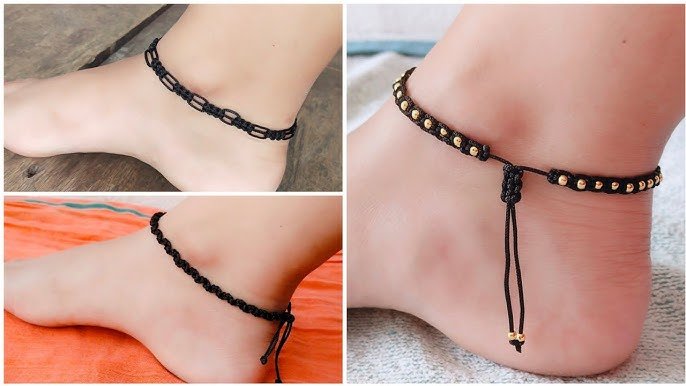
1. A Symbol of Femininity and Grace
For centuries, the ankle bracelet—often called an anklet—has been worn as a soft, beautiful accessory that symbolizes femininity, delicacy, and elegance. It enhances the natural beauty of a woman’s legs and feet, drawing attention in a subtle but powerful way. Many cultures have associated the ankle bracelet with womanhood, sensuality, and charm. In some traditions, women wore it as a sign of fertility and attractiveness, while in others, it simply reflected beauty and decoration. The meaning of femininity tied to anklets has remained consistent across time: they serve as a reminder that a small accessory can highlight gracefulness without words. When someone wears an ankle bracelet today, even if they are not aware of its history, they are often expressing their feminine energy and embracing softness, elegance, and individuality. It’s one of the oldest ways jewelry has represented beauty beyond just fashion.
2. A Mark of Social Status in Ancient Times
In ancient civilizations like Egypt and India, ankle bracelets were not just ornaments—they were signs of wealth, class, and status. Women from wealthy families wore anklets made from gold, silver, or precious stones, while those from lower classes might wear them in simple metals, beads, or thread. In this way, anklets acted as subtle identifiers of social rank. Even today, expensive anklets crafted with jewels can still serve as silent indicators of prosperity. Many people don’t realize that when they wear an anklet, they are continuing a long tradition that once communicated to society where someone stood in terms of wealth and importance. While in modern times this meaning has softened, echoes of that symbolism remain, particularly in cultures where jewelry is closely tied to heritage and social recognition.
3. A Symbol of Commitment in Relationships
For many people, an ankle bracelet is more than just fashion—it can also represent commitment in love and relationships. In some cultures, a partner gifting an anklet to their beloved signifies affection, loyalty, and devotion. Unlike rings, which are commonly associated with engagements or marriage, anklets are a quieter yet equally meaningful gesture of emotional attachment. Wearing it can symbolize being bound to someone in love, almost like carrying a reminder of that bond every step you take. It’s a deeply romantic notion that many overlook, but when someone wears an anklet gifted by a partner, it carries layers of unspoken meaning, blending beauty with love’s silent language.
4. A Spiritual and Protective Amulet
Historically, anklets were also believed to protect the wearer from evil spirits, misfortune, or negative energies. Just like charms or talismans, anklets were often worn with small bells or beads that were thought to ward off negativity. In some cultures, mothers placed anklets on children for protection and blessings. Today, many people unknowingly continue this tradition, wearing anklets with spiritual beads, charms, or gemstones, which carry protective energies. Whether someone believes in spirituality or not, the cultural roots of anklets being protective symbols add another layer of meaning to wearing them.
5. Expression of Freedom and Individuality
One of the strongest modern meanings of ankle bracelets is freedom of self-expression. Anklets break traditional jewelry norms—they’re not worn on the neck, hand, or ears like most jewelry. They adorn the feet, which already makes them stand out as unique and daring. For many, wearing an anklet is a statement: “I am different, and I express myself on my own terms.” It’s a playful way of embracing individuality, creativity, and sometimes even rebellion against conventional fashion. People who wear anklets often enjoy standing out, living freely, and carrying a bold but elegant reminder of their personal style.
6. A Fashion Statement in Modern Times
In today’s world, ankle bracelets are mostly seen as a stylish accessory, a finishing touch to modern outfits. Whether paired with casual jeans, shorts, skirts, or elegant dresses, they add a touch of personality and uniqueness to any look. Unlike necklaces or rings, anklets are not as commonly worn, which makes them stand out more. Fashion icons, celebrities, and influencers often use them to showcase a sense of trendiness and attention to detail. For many wearers, the anklet is less about history and more about personal style—about showing the world that they value details in fashion that others may overlook. This fashion-oriented meaning has grown especially strong in recent decades, where individuality and accessories play a big role in shaping identity. The anklet, therefore, is no longer just jewelry; it is a bold declaration of style and elegance in modern culture.
7. A Connection to Cultural Heritage
In regions like South Asia, Africa, and the Middle East, wearing an ankle bracelet is deeply tied to cultural traditions. It often symbolizes pride in heritage, connection to ancestors, and respect for cultural practices passed down for generations. For example, in Indian culture, anklets known as “payal” are commonly worn by brides, symbolizing marital blessings and family honor. Similarly, in African traditions, anklets can signify identity, fertility, and belonging to a tribe or community. For many who wear them today, it’s not just about beauty but about carrying their cultural history proudly. This makes anklets one of the few accessories that blend fashion with powerful cultural symbolism, often unknowingly celebrated by people in the modern world.
8. The Right Ankle vs. Left Ankle Debate
Interestingly, in some traditions and cultures, which ankle you wear your bracelet on can hold specific meaning. For instance, some interpretations suggest that wearing it on the left ankle may be linked to luck, protection, or spirituality, while the right ankle could symbolize practicality, independence, or social identity. Although these meanings vary widely and often depend on cultural context, the debate itself shows how much symbolism people have attached to anklets over time. Most modern wearers are not aware of this detail, but historically, it mattered where the anklet was placed. Even if people wear them now simply for beauty, the choice of ankle can still carry hidden interpretations—sometimes without the wearer even realizing it.
9. A Sign of Celebration and Joy
Anklets have often been associated with celebrations—festivals, weddings, and special occasions where people adorn themselves with jewelry from head to toe. Wearing an anklet in such contexts becomes a way to symbolize happiness, joy, and the festive spirit. In many parts of the world, they are worn during dances or traditional performances, where their jingling sound adds to the rhythm and energy of the moment. This connection to joy makes anklets more than fashion—they become a part of shared happiness, culture, and celebration of life. Today, when people wear anklets during vacations, beach parties, or holidays, they are unknowingly keeping this tradition alive: using jewelry as a way to express joy and freedom.
10. A Connection to Dance and Movement
One of the most beautiful aspects of anklets is their connection to rhythm and movement. In classical dances from India or belly dance traditions from the Middle East, anklets are not just decorative but functional—they emphasize the dancer’s steps and movements. Bells attached to anklets, often called “ghungroos,” make rhythmic sounds that enhance the dance. This shows that anklets have long been tied to artistic expression, music, and performance. When someone wears an anklet today, they are also carrying a silent association with grace, movement, and rhythm—even if they are not dancers themselves. Anklets naturally draw attention to the legs and feet, making every step seem elegant, intentional, and alive with energy.
11. A Subtle Form of Attractiveness
In many societies, anklets are considered alluring because of the way they subtly draw attention to the ankles and feet, areas not always in focus. This makes them both intriguing and tasteful, adding charm without being overwhelming. For centuries, jewelry has been used to enhance beauty, but anklets do so in a particularly understated way. They don’t scream for attention but instead whisper elegance, creating fascination for those who notice. This is why anklets have often been linked to allure and charm. Even in modern fashion, stylists agree that anklets have a way of making an outfit more attractive, simply by adding that extra sparkle in an unexpected place.
12. A Symbol of Luck and Fortune
In some cultures, wearing an anklet is believed to attract good luck and fortune. Whether through specific charms attached to the anklet—like beads, shells, or coins—or simply the act of wearing one, anklets are sometimes seen as magnets for positive energy and prosperity. For example, some traditions hold that silver anklets bring wealth and blessings, while gold anklets carry spiritual purity. Even in modern times, many people unknowingly wear anklets with charms that symbolize abundance, without realizing the historical roots of this belief. This makes anklets more than just jewelry; they are also silent prayers for prosperity and success in life.
13. A Reflection of Personality
Anklets often reflect the personality of the wearer. A delicate chain anklet may suggest elegance and simplicity, while a bold, colorful beaded anklet may suggest playfulness and free spirit. Some people wear leather or fabric anklets to symbolize adventure or a connection to nature. In this way, the style, material, and design of an anklet become a personal statement, almost like a reflection of inner character. When people choose anklets today, whether consciously or not, they are choosing something that communicates part of who they are. Unlike many other types of jewelry, anklets carry this personal, expressive meaning in a very subtle but noticeable way.
14. A Connection to Nature and Earth
Many anklets are made from natural materials like shells, beads, wood, or leather, tying them directly to nature. In coastal regions, shell anklets are popular, often symbolizing a connection to the ocean and freedom. Beaded anklets may represent earthiness, spirituality, or creativity. This association with natural elements makes anklets symbols of grounding and harmony with the earth. For people who love nature, wearing an anklet is a way to express that connection. It also explains why anklets are often popular among travelers, beach lovers, and free-spirited communities who value living close to nature and expressing it through their jewelry.
15. A Spiritual Symbol in Yoga and Meditation
In spiritual practices like yoga and meditation, anklets are sometimes worn as symbols of balance and grounding. Since the feet are directly connected to the earth, adorning them with jewelry is seen as a way to channel energy, maintain balance, and create harmony within the body. Beaded anklets, particularly those with natural stones, are thought to enhance meditation and mindfulness. Even if someone is not aware of this spiritual meaning, wearing anklets during such practices adds an extra layer of symbolism: connecting the self to the earth and aligning physical steps with spiritual growth. This deeper spiritual meaning often goes unnoticed by modern wearers, but it has been an important part of the history of anklets.
16. A Representation of Marital Status in Some Cultures
In certain cultures, anklets are worn by married women as a symbol of their marital status, much like rings or bangles. In Indian traditions, for example, brides receive anklets during weddings, representing blessings, commitment, and marital honor. These anklets are often intricately designed and sometimes accompanied by bells that create a melodious sound with every step. This sound is seen as a blessing in the household, bringing positivity and joy. Even today, many married women continue to wear anklets as part of cultural identity and tradition, though outsiders may not always recognize the meaning behind them.
17. A Silent Confidence Booster
For many people, wearing an anklet is a small but powerful confidence booster. Jewelry often has the power to change how a person feels about themselves—rings and necklaces are visible to others, but anklets are more personal, closer to the ground, and often only noticeable in certain settings. This hidden yet powerful accessory allows the wearer to feel unique, elegant, and confident without needing outside validation. It’s like carrying a private reminder of beauty and individuality. For this reason, anklets are often chosen as self-love accessories, where the meaning is more about inner confidence than external display.
18. A Representation of Youthfulness and Playfulness
Anklets are often associated with a sense of youth, fun, and lightheartedness. Unlike heavier jewelry, they are casual, carefree, and often worn in relaxed settings like beaches, vacations, or festivals. Wearing an anklet can symbolize a youthful spirit, even for adults who simply enjoy keeping their playful side alive. This is why anklets remain popular among teenagers and young adults, as well as among older people who want to maintain a sense of vibrancy and joy in life. The anklet reminds the wearer not to take life too seriously, to embrace freedom, and to find beauty in small details.
19. A Travel and Adventure Symbol
For travelers and adventurers, anklets often become souvenirs, collected from different places and representing memories of journeys. Beaded anklets, shell anklets, or handmade pieces from local artisans can symbolize exploration, discovery, and love for adventure. Wearing such an anklet is like carrying a piece of the world on your foot, reminding you of the experiences you’ve had and the places you’ve been. This makes anklets deeply personal for many people, transforming them into symbols of a life lived fully and courageously.
20. A Blend of Past and Present Meanings
Finally, the ankle bracelet is a powerful accessory because it blends the past and the present. From ancient times, it carried meanings of status, protection, and tradition. In modern times, it has evolved into a fashion statement, a symbol of individuality, and a reflection of self-expression. Wearing an anklet today means more than just decoration—it is part history, part culture, part spirituality, and part personal choice. Most people do not realize how many layers of meaning this small piece of jewelry carries, but each time someone wears it, they are participating in a tradition that has traveled across centuries and continents. The anklet is both timeless and modern, both simple and deeply symbolic.