When people think of a heart attack, they often imagine it happening suddenly — one moment you’re fine, and the next you’re in severe chest pain. But the reality is very different. The body usually gives early warning signs weeks before the actual heart attack takes place. Sadly, many people ignore these signals, assuming they are caused by stress, tiredness, or even aging. Recognizing these subtle symptoms at least a month before can literally save your life. Below are 20 detailed signs you should never ignore.
1. Unusual Fatigue That Doesn’t Go Away
Feeling tired is common, but when you start to feel an overwhelming exhaustion that doesn’t improve with sleep or rest, it could be a hidden warning of a heart problem. This isn’t the kind of tiredness you feel after a busy day — it’s deeper and more draining. You may find yourself struggling to complete daily tasks, such as climbing stairs, carrying groceries, or even walking short distances. Many people mistake this sign for simple burnout or lack of sleep, but in reality, the heart might not be pumping blood efficiently. This inefficiency means your muscles and brain are not getting enough oxygen, leaving you feeling weak and exhausted. Women, in particular, often report extreme fatigue before experiencing a heart attack. It can feel like your body is shutting down from the inside. Doctors emphasize that if fatigue appears suddenly, lasts for weeks, and cannot be explained by changes in routine, you should get checked immediately. The danger here is that people dismiss it as “normal tiredness,” when in fact, it’s a red flag screaming for attention.
2. Shortness of Breath Even Without Activity
If you find yourself gasping for air even when sitting still or lying down, this is not normal. Shortness of breath is a classic sign of heart trouble that can appear weeks before a heart attack. The reason is simple: when the heart is struggling, it cannot pump enough oxygen-rich blood to the rest of the body. As a result, you feel like you can’t breathe properly. Some people notice it when walking short distances, while others feel it even while resting or during sleep. It can be accompanied by dizziness, chest tightness, or a sensation of suffocation. Many mistake this symptom for lung-related issues like asthma, but often the heart is the real cause. If shortness of breath is new, unexplained, and worsening, it is not something to ignore. It could mean your heart is under serious stress and warning you of an impending attack.
3. Persistent Chest Discomfort or Pressure
We often think of chest pain as sharp and sudden, but in reality, most people feel it as pressure, squeezing, or fullness in the chest weeks before the attack. It may come and go, lasting for a few minutes at a time, and often feels like a weight sitting on your chest. Some people describe it as a band tightening across the chest or indigestion that doesn’t go away. This pressure can spread to the arms, back, neck, or even the jaw. While it may not feel severe enough to send you to the hospital right away, it’s one of the strongest early warning signs. Ignoring it is dangerous because it means your heart muscles are already struggling to get enough blood supply. People often mistake it for heartburn or gas, but if you feel unusual pressure or heaviness that continues for days or weeks, seek medical help without delay.
4. Irregular Heartbeats or Palpitations
Your heart normally beats in a steady rhythm. But if you begin to notice unusual patterns — such as fluttering, pounding, or irregular beats — this is something to pay attention to. These sensations are called palpitations, and they can feel like your heart is skipping beats or racing for no reason. They may last only a few seconds but can happen multiple times a day. Often, they are accompanied by anxiety, sweating, or dizziness. While occasional palpitations can be caused by caffeine or stress, frequent irregular beats can indicate that the heart is having trouble maintaining normal rhythm. This irregularity can increase the risk of blood clots and even sudden cardiac arrest if left untreated. Doctors warn that if palpitations come along with weakness, chest discomfort, or fainting spells, it may be a serious pre-heart attack signal.
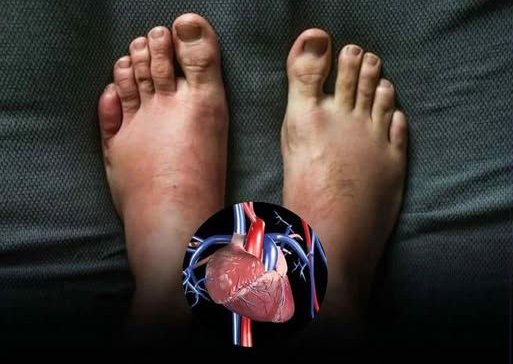
5. Swelling in Feet, Ankles, or Legs
Many people don’t connect swollen feet or ankles to heart problems, but it is a clear early sign. This happens because when the heart is not pumping blood efficiently, fluid starts to build up in the body. This condition is known as edema. It usually starts in the lower parts of the body like the ankles, feet, or even the legs, because gravity pulls the excess fluid downward. You may notice your shoes feel tighter than usual, or socks leave deep marks on your skin. Some people also notice swelling in the abdomen. While swelling can be caused by other conditions such as kidney or liver issues, it is often an early clue that the heart is struggling. If ignored, the buildup of fluid can put more stress on the heart, leading directly to a full-blown heart attack.
6. Unexplained Dizziness or Lightheadedness
One of the less obvious but very dangerous signs of a possible heart attack is frequent dizziness or a sense of losing balance. This can occur because the heart is not pumping blood efficiently to the brain. When blood flow drops, the brain receives less oxygen, which results in lightheadedness or sudden fainting spells. Many people brush it off as dehydration, fatigue, or standing up too quickly, but persistent dizziness — especially if combined with chest discomfort or shortness of breath — is a strong warning sign. It may feel like the room is spinning or that you are about to pass out, even while sitting or lying down. If this symptom appears regularly over weeks, it means your cardiovascular system is under stress. Ignoring it could put you in direct danger of an attack.
7. Cold Sweats Without Any Clear Reason
Sweating is normal after physical activity or in hot weather, but cold sweats with no apparent reason can be a sign that something is wrong with the heart. The body may break into a sweat because it’s trying to compensate for poor circulation and struggling to pump blood. Unlike regular sweating, cold sweats often come suddenly, even in cool environments or while at rest. People describe it as clammy, sticky skin that feels unusual. Sometimes this sweating comes with nausea, weakness, or dizziness. Many people mistake it for anxiety or stress, but when combined with other warning signs like chest pressure or fatigue, it may point to an upcoming heart attack. If cold sweats keep returning over weeks, consider it a loud alarm from your body.
8. Discomfort in the Neck, Jaw, or Throat
Heart attack pain doesn’t always stay in the chest. In many cases, it radiates to other areas such as the neck, jaw, or throat. Weeks before a heart attack, people may feel a dull ache, pressure, or unusual tightness in these areas. Some report that the discomfort feels like a toothache or throat soreness that doesn’t go away with usual treatment. This happens because the nerves in the heart share pathways with other parts of the body, so pain can “travel.” Unfortunately, people often visit dentists or ENT specialists without realizing it’s actually a heart problem. If you notice jaw or neck discomfort alongside fatigue, shortness of breath, or chest pressure, it’s time to take the symptom seriously.
9. Digestive Problems or Persistent Indigestion
Another surprising early sign is indigestion, bloating, or nausea that doesn’t improve with medication or diet changes. Many people think these issues are related to the stomach, but in some cases, the real cause is the heart. Poor circulation and reduced oxygen supply can affect digestion, leading to stomach discomfort. Some describe it as a burning feeling, while others feel like food is stuck or heavy in the stomach. Heartburn, burping, or loss of appetite may appear weeks before a heart attack. Because these symptoms mimic common digestive problems, they are often overlooked. The key difference is that they appear suddenly and persist even after lifestyle adjustments. If you have stomach issues combined with fatigue, sweating, or chest discomfort, it may be your heart warning you.
10. Pain or Numbness in the Arms, Shoulders, or Back
Classic signs of heart trouble often include pain radiating from the chest to the left arm. But in reality, the discomfort can spread to both arms, the shoulders, or even the back. This pain can be dull, sharp, or simply a strange heaviness. It may come and go over weeks, often worsening with activity. Some people report tingling or numbness rather than actual pain. Because the nerves in the chest and arms are interconnected, the brain sometimes interprets heart pain as coming from other areas. Back pain, especially between the shoulder blades, is common among women before a heart attack. If you experience unexplained upper body pain without an injury, it’s important not to dismiss it.
11. Constant Anxiety or a Sense of Doom
Surprisingly, the body can sometimes sense an upcoming heart attack before the mind does, leading to feelings of intense anxiety or unease. Many people report experiencing a “sense of doom” or a strong feeling that something is wrong in the weeks before their heart attack. Unlike ordinary stress or worry, this anxiety feels overwhelming and often appears without any real cause. You might feel restless, on edge, or unable to relax. Some even wake up in the night with panic-like symptoms. This is not just in the mind — it’s linked to physical changes in the body as the heart struggles. If this unexplained fear occurs along with physical symptoms like sweating, chest discomfort, or fatigue, it’s worth immediate medical attention.
12. Trouble Sleeping or Frequent Night Disturbances
Sleep problems are another subtle but important warning. Difficulty falling asleep, waking up frequently at night, or feeling restless can all signal that something is wrong. Many heart patients recall struggling with sleep for weeks before their attack. Some wake up gasping for air, while others toss and turn because of discomfort in the chest, arms, or back. Poor circulation and oxygen flow may trigger the brain to wake you repeatedly. Unlike normal insomnia, this problem often appears suddenly and worsens over time. If sleep disturbances occur with fatigue or shortness of breath during the day, they should not be ignored. The body may be signaling hidden cardiovascular distress.
13. Persistent Cough That Won’t Go Away
A cough is usually linked to colds, allergies, or lung issues. But in some cases, a stubborn, unexplained cough is actually connected to heart problems. When the heart cannot pump blood properly, fluid may build up in the lungs, leading to constant coughing. The cough may sound dry, but sometimes it produces frothy mucus with a pink tinge due to small amounts of blood. This is a major red flag for heart failure and often appears weeks before a heart attack. Many people treat it with cough syrup, only to realize too late that the root cause is cardiac stress. If your cough lasts for weeks, especially when lying down, consider it a possible heart-related symptom.
14. Loss of Appetite or Feeling Full Quickly
When the heart struggles, digestion also slows down. As a result, some people lose their appetite or feel full after eating only small amounts. This is because the digestive system isn’t receiving enough blood supply to work efficiently. Food may feel heavy in the stomach, and bloating becomes more frequent. Many dismiss this as a stomach disorder, but it could actually be a cardiovascular warning sign. Doctors note that sudden appetite loss, especially when combined with fatigue, nausea, or swelling in the abdomen, should raise alarms. If you suddenly lose interest in food over weeks without another clear reason, it’s time to get checked.
15. Headaches and Unusual Pressure in the Head
Recurring headaches — particularly those that come with dizziness or vision problems — can be another pre-heart attack symptom. This happens because high blood pressure and reduced oxygen levels affect the brain. Some people describe it as a heavy pressure or pulsing pain that doesn’t respond well to regular medication. These headaches may appear in the morning or after light physical activity. Women are more likely to experience migraines or tension-type headaches linked to heart conditions. While headaches alone don’t always mean heart trouble, they become concerning when paired with chest discomfort, sweating, or shortness of breath. Persistent headaches that feel different from your usual type should never be ignored.
16. Frequent Nausea or Vomiting Without Clear Cause
Nausea is another overlooked symptom that may show up a month before a heart attack. It often happens because the heart and digestive system are closely connected. Reduced blood flow can cause stomach upset, queasiness, or even vomiting. Many people, especially women, report frequent nausea that seems unrelated to food poisoning or infection. In some cases, nausea is combined with dizziness, sweating, or chest discomfort. Because nausea has many possible causes, people rarely connect it to the heart. But when it occurs repeatedly, especially with other warning signs, it could mean the heart is in trouble.
17. Swelling in the Abdomen or Feeling Bloated
Aside from swelling in the legs and feet, many people notice abdominal swelling before a heart attack. This happens because fluid builds up in the abdominal cavity when the heart is weak. The stomach may feel unusually tight or bloated, and clothes may suddenly fit tighter around the waist. Some also experience discomfort or pain in the abdomen. This is not typical bloating from food but rather fluid accumulation due to poor circulation. It can lead to loss of appetite, nausea, and general discomfort. When this sign appears alongside fatigue or shortness of breath, it points strongly toward a cardiovascular issue.
18. Unusual Weakness in the Body
A general sense of weakness, where even simple activities feel exhausting, is a major warning sign. This weakness often affects the arms and legs, making it hard to carry objects, climb stairs, or even walk short distances. It may feel like your muscles have no energy, even after resting. This occurs because the heart is not delivering enough oxygen to muscles, leaving them deprived. Some people describe it as feeling like their body is unusually heavy or drained. If this weakness persists for weeks and seems unrelated to exercise or illness, it may be a hidden sign of an upcoming heart event.
19. Changes in Skin Color or Paleness
The skin can reveal a lot about what’s happening inside the body. Before a heart attack, some people notice that their skin becomes pale, grayish, or even bluish in tone. This occurs because the heart is struggling to circulate enough oxygenated blood. The change is most visible in the face, lips, or hands. In addition, skin may feel unusually cold or clammy. Some notice sudden flushing or redness that comes and goes. These skin changes may happen weeks before the actual attack and are often dismissed as tiredness or poor sleep. But in reality, they reflect a serious circulation problem that requires urgent attention.
20. Reduced Exercise Tolerance or Inability to Handle Physical Activity
One of the clearest early warnings is when physical activities that were once easy suddenly become difficult. You may notice that walking short distances, climbing stairs, or carrying groceries leaves you out of breath, dizzy, or exhausted. This decline in exercise tolerance doesn’t happen overnight — it builds gradually over weeks. The reason is that the heart can no longer keep up with the body’s demands. As circulation weakens, the muscles, brain, and lungs don’t get enough oxygen, leading to quick exhaustion. Many people ignore this symptom, thinking they are just “out of shape,” but it is often a strong predictor of heart trouble.
✅ Final Note:
A heart attack rarely comes without warning. The body often sends out multiple subtle signs weeks in advance. The tragedy is that most people dismiss them as stress, indigestion, or aging. If you or someone you love experiences several of these symptoms together, don’t wait. Seeking medical advice early can save a life.