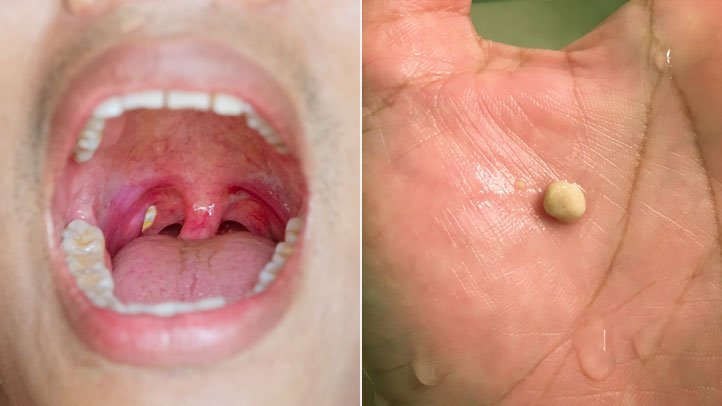
1. Understanding Tonsil Stones: A Complete Introduction
Tonsil stones are small, hardened deposits that develop in the tonsils, which are located at the back of the throat. These formations occur when debris such as food particles, mucus, and dead cells become trapped in tiny pockets known as tonsil crypts. Over time, this trapped material can harden due to mineral buildup, forming what are commonly called tonsil stones. While they are generally not dangerous, they can be uncomfortable and sometimes embarrassing due to associated symptoms like bad breath.
Many people are unaware that they have tonsil stones because they can remain hidden deep within the tonsil folds. In some cases, however, they become visible as white or yellowish spots. Tonsil stones can vary in size, from tiny grains to larger, more noticeable lumps. Their texture can also differ, ranging from soft and crumbly to hard and calcified.
The condition is relatively common, especially among individuals who have larger tonsils or deeper crypts. It is not considered a serious medical issue, but it can impact daily comfort and oral hygiene. Understanding what tonsil stones are is the first step toward managing and preventing them effectively.
Additionally, tonsil stones can sometimes be mistaken for other throat conditions. This is why proper awareness and basic knowledge are important. By learning about their formation and symptoms, individuals can take proactive steps to address them before they become a recurring issue.
Overall, tonsil stones are a manageable condition that can be controlled with proper hygiene and care. Awareness and early identification play a key role in reducing their occurrence and maintaining overall throat health.
2. How Tonsil Stones Form in the Throat
Tonsil stones form when debris accumulates in the natural crevices of the tonsils. These crevices, known as crypts, can trap various substances including food particles, bacteria, and mucus. When these materials are not properly cleared away, they begin to collect and compact over time.
The process of formation is gradual. Initially, small particles settle into the tonsil crypts. As more debris accumulates, bacteria begin to break down the material, leading to an unpleasant odor. Minerals such as calcium then deposit around this debris, causing it to harden into a stone-like structure.
Individuals with deeper tonsil crypts are more likely to develop tonsil stones because there is more space for debris to accumulate. Similarly, those who experience frequent throat infections or inflammation may have an increased risk. This is because inflammation can enlarge the crypts, making it easier for particles to become trapped.
Poor oral hygiene can also contribute significantly to the formation of tonsil stones. When the mouth is not kept clean, bacteria multiply rapidly, increasing the likelihood of debris buildup. Additionally, chronic dry mouth can reduce the natural cleansing effect of saliva, further promoting stone formation.
Understanding how tonsil stones form helps in identifying effective prevention strategies. By minimizing debris accumulation and maintaining proper oral hygiene, the risk of developing tonsil stones can be greatly reduced.
3. Common Symptoms of Tonsil Stones
Tonsil stones can present a variety of symptoms, although some individuals may not experience any noticeable signs. One of the most common symptoms is persistent bad breath, which occurs due to the presence of bacteria breaking down trapped debris in the tonsils.
Another frequent symptom is a feeling of something being stuck in the throat. This sensation can be uncomfortable and may cause irritation, especially when swallowing. In some cases, individuals may also experience mild throat pain or discomfort.
Visible white or yellowish spots on the tonsils are another indicator of tonsil stones. These spots may be small and difficult to notice, or larger and more prominent depending on the size of the stones. Some people may also experience ear discomfort, which is caused by shared nerve pathways between the throat and ears.
Swallowing difficulties can occur when the stones grow larger or become lodged in sensitive areas of the tonsils. This can make eating and drinking uncomfortable. Additionally, a metallic or unpleasant taste in the mouth may be present due to bacterial activity.
It is important to note that symptoms can vary from person to person. Some individuals may only experience mild discomfort, while others may find the condition more bothersome. Recognizing these symptoms early can help in taking timely action to manage tonsil stones effectively.
4. Risk Factors That Increase the Chances of Tonsil Stones
Several factors can increase the likelihood of developing tonsil stones. One of the primary risk factors is having naturally large tonsils or deep tonsil crypts. These structural features make it easier for debris to become trapped and accumulate over time.
Chronic throat inflammation is another significant factor. Conditions that cause repeated irritation or swelling of the tonsils can enlarge the crypts, creating more space for debris to settle. This increases the chances of stone formation.
Poor oral hygiene is a major contributor as well. When the mouth is not cleaned regularly, bacteria thrive and multiply. This bacterial buildup can lead to the accumulation of debris in the tonsils, eventually forming stones.
Dry mouth is another important risk factor. Saliva plays a crucial role in washing away food particles and bacteria. When saliva production is reduced, the mouth becomes more prone to debris buildup and bacterial growth.
Dietary habits can also influence the development of tonsil stones. Consuming foods that leave residue in the mouth or contribute to mucus production can increase the risk. Additionally, inadequate hydration can worsen the condition by reducing saliva flow.
By understanding these risk factors, individuals can take preventive measures to reduce their chances of developing tonsil stones. Simple lifestyle adjustments can make a significant difference in maintaining oral and throat health.
5. How Tonsil Stones Are Diagnosed
Diagnosing tonsil stones is usually a straightforward process. In many cases, individuals can identify them on their own by observing white or yellowish spots on their tonsils. However, a proper diagnosis by a healthcare professional is recommended for confirmation.
A doctor typically begins with a physical examination of the throat. Using a light and a tongue depressor, they can inspect the tonsils for visible stones. In some cases, stones may be hidden deep within the crypts and not easily visible.
If the stones are not immediately apparent, imaging techniques such as X-rays or CT scans may be used. These methods can help detect larger or deeply embedded stones that cannot be seen during a routine examination.
The doctor may also evaluate the patient’s symptoms, such as bad breath, throat discomfort, or difficulty swallowing. This information helps in determining whether tonsil stones are the underlying cause.
In rare cases, additional tests may be conducted to rule out other conditions that could mimic the symptoms of tonsil stones. This ensures an accurate diagnosis and appropriate treatment plan.
Early diagnosis is beneficial because it allows for timely management and prevents complications. With proper evaluation, individuals can receive guidance on effective ways to remove and prevent tonsil stones.
6. Safe and Effective Home Remedies for Tonsil Stones
Managing tonsil stones at home is often the first step many individuals take, especially when the stones are small and not causing severe discomfort. There are several safe and practical methods that can help remove or reduce tonsil stones without the need for medical intervention. One of the most widely recommended remedies is gargling with warm salt water. This simple solution helps to loosen debris, reduce bacteria, and soothe throat irritation.
Another effective approach is maintaining proper hydration. Drinking plenty of water throughout the day helps keep the mouth moist and supports the natural cleansing action of saliva. This can prevent the buildup of particles that lead to stone formation. Additionally, using a gentle oral rinse can further reduce bacterial presence in the mouth.
Some individuals use cotton swabs or soft tools to carefully dislodge visible tonsil stones. However, this method should be performed with caution to avoid injury or irritation. It is important to use clean tools and maintain good hygiene during the process.
Steam inhalation is another helpful method, as it can loosen mucus and reduce throat congestion. This may indirectly assist in preventing the accumulation of debris in the tonsils. Regular oral care, including brushing the tongue and flossing, also plays a crucial role in minimizing bacterial growth.
Consistency is key when it comes to home remedies. While these methods may not provide instant results, regular practice can significantly reduce the frequency and severity of tonsil stones. By adopting these simple habits, individuals can manage the condition effectively from the comfort of their homes.
7. Medical Treatments Available for Tonsil Stones
When tonsil stones become large, persistent, or particularly uncomfortable, medical treatment may be necessary. Healthcare professionals can offer several options depending on the severity of the condition. One common approach is manual removal performed by a doctor using specialized instruments. This method is typically quick and effective.
In some cases, doctors may recommend medications to address underlying issues such as bacterial buildup or inflammation. These treatments aim to reduce the conditions that contribute to stone formation rather than directly removing the stones themselves.
Laser treatments are another advanced option available in certain medical settings. This procedure involves smoothing the surface of the tonsils to reduce the number of crypts where debris can accumulate. It is considered a minimally invasive solution with relatively quick recovery times.
For individuals who experience recurring tonsil stones along with frequent throat infections, surgical removal of the tonsils may be considered. This procedure eliminates the source of the problem entirely, but it is usually recommended only when other treatments have not been effective.
Consulting a healthcare provider ensures that the chosen treatment method is appropriate and safe. Professional guidance helps in addressing both the symptoms and underlying causes of tonsil stones, leading to more effective long-term management.
8. The Role of Oral Hygiene in Prevention
Maintaining good oral hygiene is one of the most effective ways to prevent tonsil stones. Since these stones are largely formed from trapped debris and bacteria, keeping the mouth clean significantly reduces the risk of their development.
Brushing the teeth at least twice a day helps remove food particles and plaque that could otherwise contribute to stone formation. Equally important is cleaning the tongue, as it can harbor bacteria that lead to bad breath and throat issues.
Flossing daily is another essential practice. It removes particles from areas that a toothbrush cannot reach, preventing bacterial buildup. Using an antibacterial mouthwash can further enhance oral cleanliness by reducing harmful microorganisms.
Regular dental check-ups also play a vital role in maintaining oral health. Dentists can identify potential issues early and provide guidance on proper hygiene practices. This proactive approach helps in preventing not only tonsil stones but also other oral health problems.
Consistency in oral hygiene routines is crucial. Even small lapses can lead to bacterial growth and debris accumulation. By making oral care a daily priority, individuals can effectively minimize the chances of developing tonsil stones.
9. Dietary Habits That Influence Tonsil Stone Formation
Diet plays a significant role in the formation and prevention of tonsil stones. Certain foods can contribute to the buildup of debris and mucus, while others help maintain a clean and healthy oral environment.
Foods that leave residue in the mouth, such as processed or sticky items, can increase the likelihood of debris getting trapped in the tonsils. Similarly, consuming excessive sugary foods can promote bacterial growth, which is a key factor in stone formation.
On the other hand, incorporating fresh fruits and vegetables into the diet can support oral health. These foods help stimulate saliva production, which naturally cleanses the mouth and reduces the accumulation of particles.
Staying well-hydrated is equally important. Drinking sufficient water throughout the day helps flush out food particles and bacteria, preventing them from settling in the tonsils. Herbal teas and warm liquids can also be beneficial in keeping the throat clear.
Balanced dietary habits not only improve overall health but also play a direct role in preventing tonsil stones. By making mindful food choices, individuals can reduce the factors that contribute to their formation and maintain a healthier throat environment.
10. When to See a Doctor for Tonsil Stones
While tonsil stones are often harmless and manageable at home, there are situations where medical attention is necessary. Recognizing these signs is important to ensure timely and appropriate care.
If tonsil stones become large or cause significant discomfort, it is advisable to consult a healthcare professional. Persistent throat pain, difficulty swallowing, or a constant feeling of something stuck in the throat may indicate a more serious issue.
Severe or ongoing bad breath that does not improve with good oral hygiene can also be a reason to seek medical advice. This may suggest a deeper underlying problem that requires professional evaluation.
Frequent recurrence of tonsil stones is another indicator that medical intervention may be needed. A doctor can assess the situation and recommend suitable treatment options to prevent further episodes.
In rare cases, symptoms such as swelling, fever, or severe irritation may occur. These signs should not be ignored, as they could indicate an infection or other complications.
Seeking medical guidance ensures that the condition is properly managed and prevents potential complications. Early intervention can make a significant difference in maintaining overall throat health and comfort.
11. Long-Term Strategies to Prevent Tonsil Stones Permanently
Preventing tonsil stones in the long term requires a combination of consistent habits, awareness, and lifestyle adjustments. While occasional tonsil stones may still occur, adopting the right strategies can significantly reduce their frequency and severity over time. One of the most important aspects of long-term prevention is maintaining a clean oral environment. This includes regular brushing, flossing, and rinsing, which collectively help eliminate the debris that contributes to stone formation.
Hydration plays a crucial role in prevention. Drinking sufficient water throughout the day ensures that the mouth remains moist and that food particles are less likely to settle in the tonsil crypts. Saliva acts as a natural cleanser, and keeping its flow consistent helps reduce bacterial buildup.
Another key strategy is monitoring throat health. Individuals who experience frequent irritation or inflammation should address these issues promptly. Managing seasonal allergies, avoiding irritants, and maintaining overall wellness can help keep the tonsils in a healthy state.
Consistency is essential. Preventive measures are most effective when practiced daily rather than occasionally. Over time, these habits become part of a routine that supports overall oral and throat health.
By focusing on long-term strategies rather than quick fixes, individuals can create a sustainable approach to preventing tonsil stones. This not only improves comfort but also enhances confidence and overall well-being.
12. The Importance of Hydration in Tonsil Health
Hydration is often overlooked, yet it is one of the most effective ways to maintain tonsil health and prevent the formation of tonsil stones. Water plays a vital role in keeping the mouth and throat clean by washing away food particles and reducing bacterial growth.
When the body is properly hydrated, saliva production increases. Saliva contains natural enzymes that help break down debris and maintain a balanced oral environment. A dry mouth, on the other hand, creates conditions where bacteria can thrive, leading to the accumulation of particles in the tonsils.
Drinking water regularly throughout the day ensures that the throat remains moist and less prone to irritation. Warm liquids, such as herbal teas, can also provide additional soothing benefits while helping to clear the throat.
Hydration is particularly important for individuals who consume foods that may leave residue in the mouth. By drinking water after meals, it becomes easier to flush out any remaining particles before they settle in the tonsil crypts.
Making hydration a daily priority is a simple yet powerful step toward preventing tonsil stones. It supports not only tonsil health but also overall bodily functions, making it an essential part of a healthy lifestyle.
13. How Gargling Helps Reduce Tonsil Stones
Gargling is a simple yet highly effective practice for managing and preventing tonsil stones. It works by loosening trapped debris, reducing bacterial presence, and maintaining a clean throat environment. Regular gargling can significantly decrease the chances of particles accumulating in the tonsil crypts.
Saltwater gargling is one of the most commonly recommended methods. The solution helps draw out impurities and provides a soothing effect on the throat. It also creates an environment that is less favorable for bacterial growth.
In addition to saltwater, mild oral rinses can be used to enhance the cleansing process. These rinses help eliminate bacteria that contribute to the formation of tonsil stones and improve overall oral hygiene.
Gargling is particularly beneficial after meals, as it helps remove any food particles that may have become lodged in the throat. This simple habit can prevent debris from settling and eventually forming stones.
Consistency is key when it comes to gargling. Incorporating it into a daily routine ensures that the throat remains clean and reduces the likelihood of recurring tonsil stones. Over time, this practice can make a noticeable difference in maintaining throat health.
14. Natural Ways to Improve Throat Cleanliness
Improving throat cleanliness naturally involves adopting habits that support the body’s ability to maintain a balanced and healthy environment. One of the most effective ways is to focus on a diet that promotes cleanliness and reduces residue buildup.
Fresh fruits and vegetables are excellent choices, as they help stimulate saliva production and provide essential nutrients. These foods also have a natural cleansing effect, helping to remove particles from the mouth and throat.
Herbal remedies, such as warm teas, can soothe the throat and reduce irritation. These natural options are gentle and can be incorporated into daily routines without difficulty.
Breathing through the nose rather than the mouth can also improve throat cleanliness. Mouth breathing can lead to dryness, which increases the risk of debris accumulation. Maintaining proper breathing habits supports moisture levels in the throat.
Regular physical activity contributes to overall health, including improved circulation and immune function. A strong immune system helps the body manage bacterial presence more effectively, reducing the likelihood of tonsil stone formation.
By embracing natural approaches, individuals can enhance throat cleanliness in a safe and sustainable way. These methods work in harmony with the body, promoting long-term health and comfort.
15. The Link Between Bad Breath and Tonsil Stones
Bad breath is one of the most noticeable and common symptoms associated with tonsil stones. This occurs due to the presence of bacteria that break down trapped debris in the tonsils, releasing compounds that produce an unpleasant odor.
The connection between tonsil stones and bad breath can sometimes lead to confusion, as individuals may initially attribute the issue to poor oral hygiene alone. However, even with regular brushing and flossing, the presence of stones in the tonsils can continue to cause persistent odor.
Addressing the root cause is essential for managing this symptom. Removing the stones and maintaining a clean throat environment can significantly improve breath freshness. Gargling and staying hydrated are particularly effective in reducing bacterial activity.
It is also important to clean the tongue, as it can harbor bacteria that contribute to bad breath. Combining this with proper oral care creates a comprehensive approach to managing the issue.
Understanding the link between tonsil stones and bad breath helps individuals take targeted action. By focusing on both oral hygiene and tonsil care, it becomes possible to achieve lasting freshness and improved confidence.
16. Can Tonsil Stones Come Back After Removal?
One of the most common concerns individuals have is whether tonsil stones can return after being removed. The answer is yes, they can reappear if the underlying causes are not addressed. Removal provides temporary relief, but it does not eliminate the factors that lead to their formation.
The structure of the tonsils plays a significant role in recurrence. Individuals with deep crypts are more likely to experience repeated episodes because these spaces continue to trap debris. Without preventive measures, the cycle can continue.
Maintaining proper oral hygiene is essential in reducing the chances of recurrence. Regular cleaning helps minimize the buildup of particles that contribute to stone formation. Hydration and dietary choices also play a role in preventing reappearance.
Consistency in preventive practices is key. While it may not be possible to completely eliminate the risk, adopting healthy habits can greatly reduce the frequency of tonsil stones.
Understanding that recurrence is possible encourages individuals to focus on long-term management rather than temporary solutions. With the right approach, it is possible to keep the condition under control and minimize its impact.
17. Lifestyle Changes That Support Tonsil Health
Lifestyle choices have a direct impact on tonsil health and the likelihood of developing tonsil stones. Simple adjustments in daily habits can make a significant difference in preventing this condition.
Maintaining a balanced diet is one of the most important factors. Consuming nutrient-rich foods supports the immune system and helps the body manage bacterial presence effectively. Avoiding excessive processed foods can also reduce residue buildup.
Regular physical activity contributes to overall health and improves circulation. This supports the body’s natural defenses and helps maintain a healthy throat environment.
Adequate sleep is another crucial element. Rest allows the body to repair and maintain its systems, including those responsible for immune function. A well-rested body is better equipped to prevent infections and inflammation.
Managing stress is equally important. High stress levels can weaken the immune system, making the body more susceptible to various conditions, including those affecting the throat.
By adopting a healthy lifestyle, individuals can create an environment that supports tonsil health and reduces the risk of stone formation. These changes not only benefit the throat but also enhance overall well-being.
18. Myths and Misconceptions About Tonsil Stones
There are many myths surrounding tonsil stones, which can lead to confusion and unnecessary concern. One common misconception is that tonsil stones are dangerous. In reality, they are generally harmless and manageable with proper care.
Another myth is that only individuals with poor hygiene develop tonsil stones. While hygiene plays a role, structural factors such as the shape and size of the tonsils are also important contributors.
Some people believe that tonsil stones require immediate medical intervention. However, many cases can be managed at home with simple remedies and preventive measures.
There is also a misconception that removing tonsil stones once will permanently solve the problem. As discussed earlier, recurrence is possible if the underlying causes are not addressed.
Understanding the facts helps individuals approach the condition with clarity and confidence. By separating myths from reality, it becomes easier to make informed decisions about management and prevention.
19. When Tonsil Removal Becomes an Option
In certain cases, surgical removal of the tonsils may be considered as a long-term solution for recurring tonsil stones. This option is typically recommended when other treatments have not been effective and the condition significantly affects quality of life.
The procedure, known as a tonsillectomy, involves removing the tonsils entirely. This eliminates the crypts where debris accumulates, thereby preventing the formation of tonsil stones.
It is important to note that surgery is usually considered a last resort. Healthcare providers evaluate the severity of the condition, frequency of recurrence, and overall health before recommending this option.
Recovery from the procedure requires time and proper care. However, many individuals experience long-term relief from symptoms after the surgery.
Discussing the risks and benefits with a healthcare professional is essential before making a decision. This ensures that the chosen approach aligns with the individual’s needs and health goals.
20. Final Thoughts: Achieving a Tonsil Stone-Free Life
Achieving a life free from tonsil stones is possible with the right combination of awareness, consistency, and care. While the condition is common and often harmless, it can impact comfort and confidence if not properly managed.
The key lies in understanding the causes and taking proactive steps to address them. Maintaining good oral hygiene, staying hydrated, and adopting healthy lifestyle habits form the foundation of effective prevention.
It is also important to remain attentive to changes in throat health. Early identification of symptoms allows for timely action, preventing the condition from becoming more bothersome.
For individuals who experience persistent issues, seeking professional guidance ensures access to appropriate treatments and solutions. Combining medical advice with daily care practices creates a comprehensive approach to management.
Ultimately, consistency is the most important factor. Small, regular efforts can lead to significant improvements over time. By making these practices part of a daily routine, individuals can enjoy better throat health and a higher quality of life.
Strong Conclusion
Tonsil stones may seem like a minor issue at first, but their impact on daily comfort, breath freshness, and overall confidence can be significant if left unaddressed. The good news is that they are highly manageable with the right knowledge and consistent care. Throughout this guide, we have explored every important aspect of tonsil stones—from understanding what they are and how they form, to identifying symptoms, exploring treatment options, and implementing long-term prevention strategies.
One of the most important takeaways is that prevention is always more effective than treatment. Simple habits such as maintaining proper oral hygiene, staying well-hydrated, and making mindful dietary choices can drastically reduce the chances of developing tonsil stones. These practices not only support tonsil health but also contribute to overall wellness.
It is equally important to recognize that every individual is different. What works for one person may not work for another, which is why a personalized approach is often the most effective. Paying attention to your body, observing patterns, and making adjustments accordingly can help you find the best routine for your needs.
For those who experience recurring or severe cases, professional medical advice provides valuable guidance and access to advanced treatment options. Whether it is simple removal techniques or more long-term solutions, expert support ensures safe and effective care.
In conclusion, achieving a tonsil stone-free life is not about quick fixes but about building sustainable habits. With consistency, awareness, and the right approach, it is entirely possible to minimize or even eliminate the occurrence of tonsil stones. By prioritizing your oral and throat health, you can enjoy greater comfort, improved confidence, and a better quality of life overall.